

Youth Resources
Facilitating a more inclusive, peaceful and sustainable world through programs for youth.



Teacher Resources
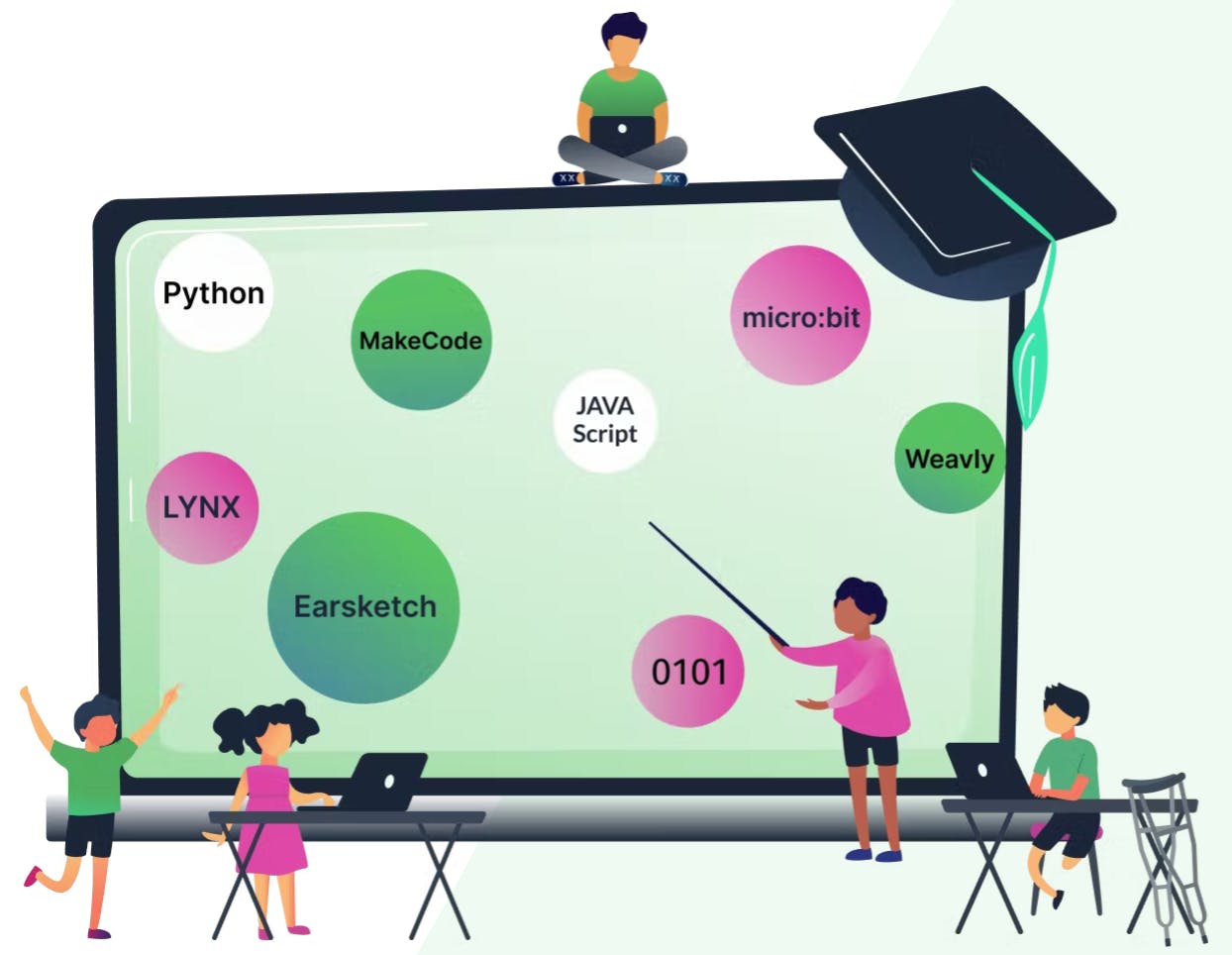
Explore our free educational programs and capacity-building resources that help educators foster deep learning competencies through real-world problem solving.




Program Areas
Facilitating a more inclusive, peaceful and sustainable world through programs for youth.



Youth Resources
Facilitating a more inclusive, peaceful and sustainable world through programs for youth.
Teacher Resources
Explore our free educational programs and capacity-building resources that help educators foster deep learning competencies through real-world problem solving.
Program Areas
Facilitating a more inclusive, peaceful and sustainable world through programs for youth.

-
 Media
MediaAdobe Creativity Grants: Fostering Creativity Among the Next Generation
 TIG Staff / December 9, 2019
In 2018, TakingITGlobal partnered with Adobe to launch the Adobe Creativity Grants , and in just one year...
-
 Education
Connected North’s Toronto Future Pathways Summit
Dallas Pelly / December 9, 2019
By Dallas Pelly, on behalf of the Connected North team at TakingITGlobal What will help generations of...
-
 Education
Future Pathways Virtual Roundtable
Michael Furdyk / November 8, 2019
On October 24 TakingITGlobal brought together 7 post-secondary institutions and 10 youth for our Future Pathways...
-
 Education
Connecting With Our First Family Art Exhibit
TIG Staff / June 6, 2018
By Kim Boucher Morin, Project Coordinator TakingITGlobal On Wednesday May 9th, over 200 people gathered in...
-
 Education
Sprout Ideas Fellow: My Time at the Forum For Young Canadians
TIG Staff / February 14, 2018
By Aaliyan Khan, Founder of The Positivity Project A few weeks ago, I had the very fortunate...
-
 Education
Sprout Ideas Fellow: 3 Tips for Aspiring Social Entrepreneurs
TIG Staff / February 8, 2018
By Celyn Brown, Sprout Ideas Fellow 2017/2018 After working for two social startups, I finally mustered the...